
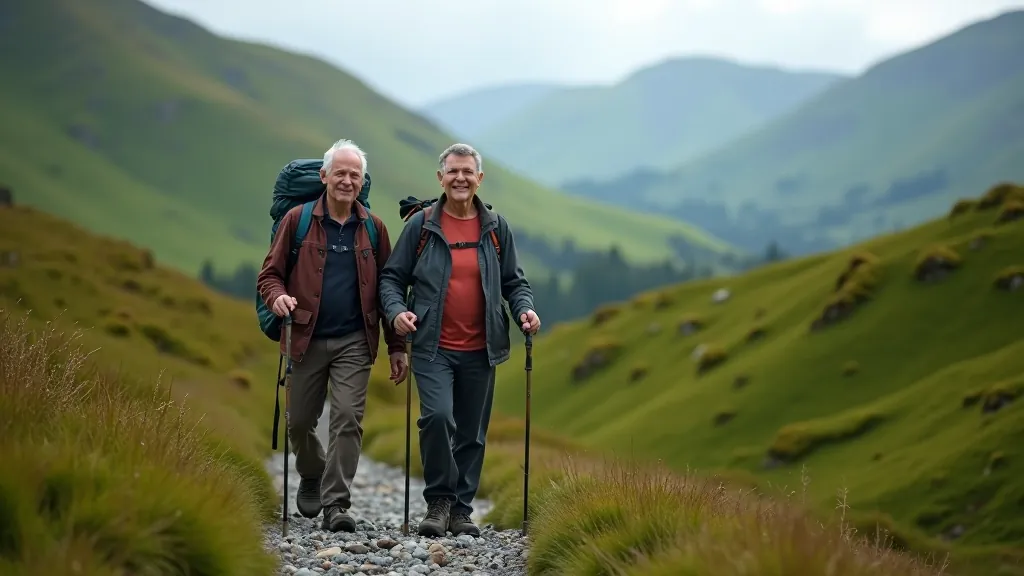
Diamond Hill: The Beginner's Route
Everything you need to know about the most accessible trail in Connemara. We cover what to expect, how to prepare, and why it's genuinely manageable for most people.
Read the guideOther accessible trails in the area worth exploring. Each takes two hours or less.
Once you've conquered Diamond Hill, there's a whole network of trails waiting around Connemara. The good news? Many of them are just as manageable — some even easier. You don't need to be climbing the tallest peak to have a brilliant day outdoors. These five walks offer stunning views, varied terrain, and that same sense of achievement without the steeper demands.
This coastal walk takes you along a golden beach with mountains rising behind. The path is mostly flat and follows the shoreline — you're not fighting elevation here, which makes it ideal if you want to go slower and take in the views. The loop is about 3 kilometers and takes roughly 90 minutes at a relaxed pace.
What you'll see: Turquoise water, white sand, and the Twelve Bens mountains creating a dramatic backdrop.
Best for: Anyone who prefers coastal scenery to mountain views. The flat terrain means your knees get a break.
Getting there: Park at Lettergesh Beach car park, about 20 minutes from Leenane.

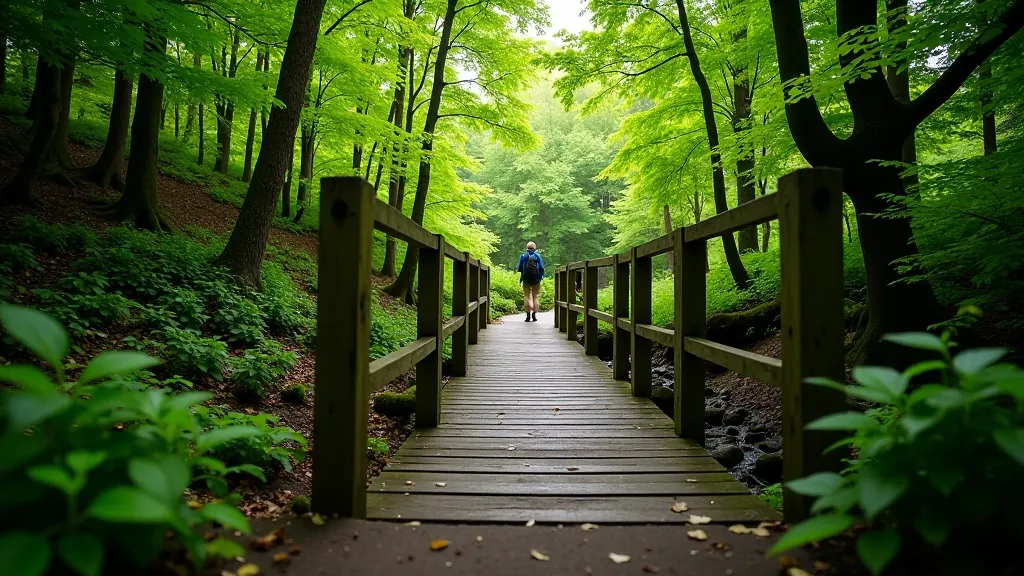
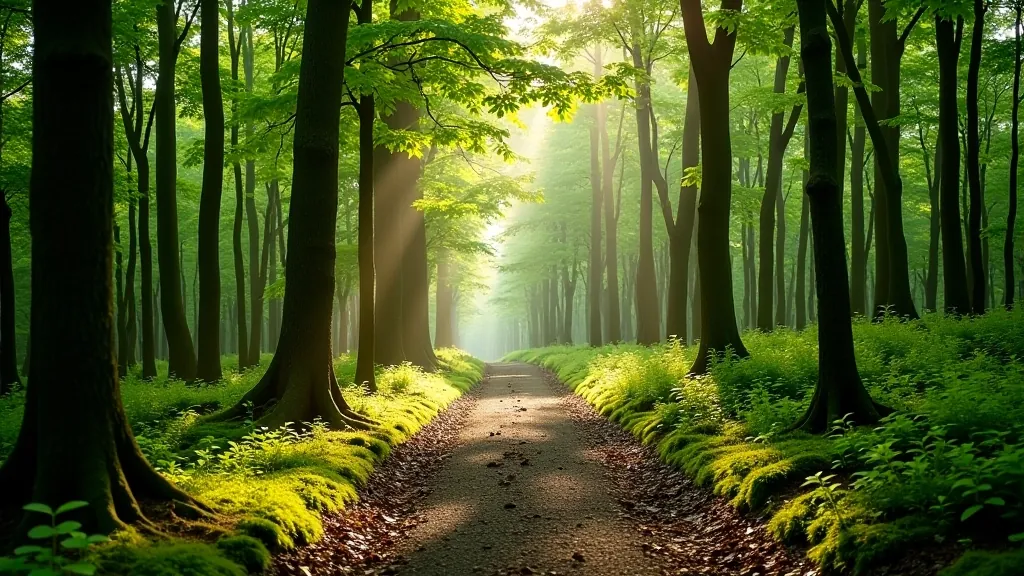
If you prefer woodland to open mountain, this forest trail delivers. It's sheltered, mostly shaded, and winds through native Irish oak and birch. The path is well-marked and gently undulating rather than steep. You're looking at about 2.5 kilometers in just under two hours — no rushing.
What makes it special: The quietness. You'll hear birdsong and water rather than wind noise on exposed ridges.
Perfect if: Your joints prefer softer ground and you want to avoid strong winds on high terrain.
Pro tip: Start early — the forest is gorgeous in morning light and quieter than afternoon.
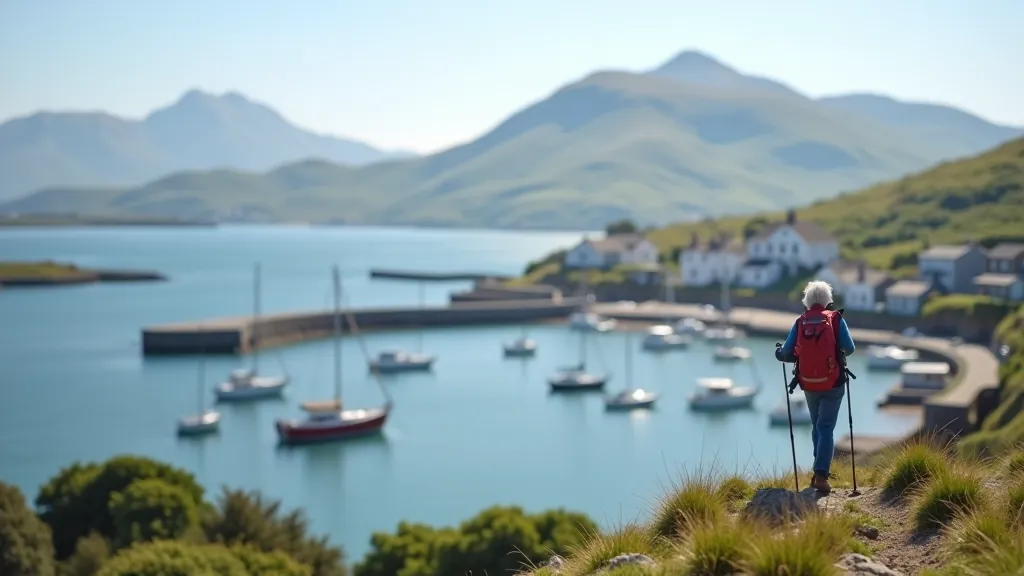
This isn't a mountain walk at all — it's a gentle village stroll with harbour views. You're walking through Leenane's streets and then along the water's edge. It's accessible, interesting, and you can stop at a café midway. The full loop is about 2 kilometers, taking 75 minutes with a relaxed pace.
You'll pass historic buildings, meet locals, and see one of Ireland's deepest fjords. It's proof that not every good walk involves steep climbs. Sometimes the best views come from where you're standing on level ground, looking out across water.
Highlights: The harbour itself is stunning. On calm days, the water reflects everything perfectly — mountains, sky, clouds.
Why choose it: If someone in your group isn't up for a mountain walk, this still gives you all the Connemara experience.
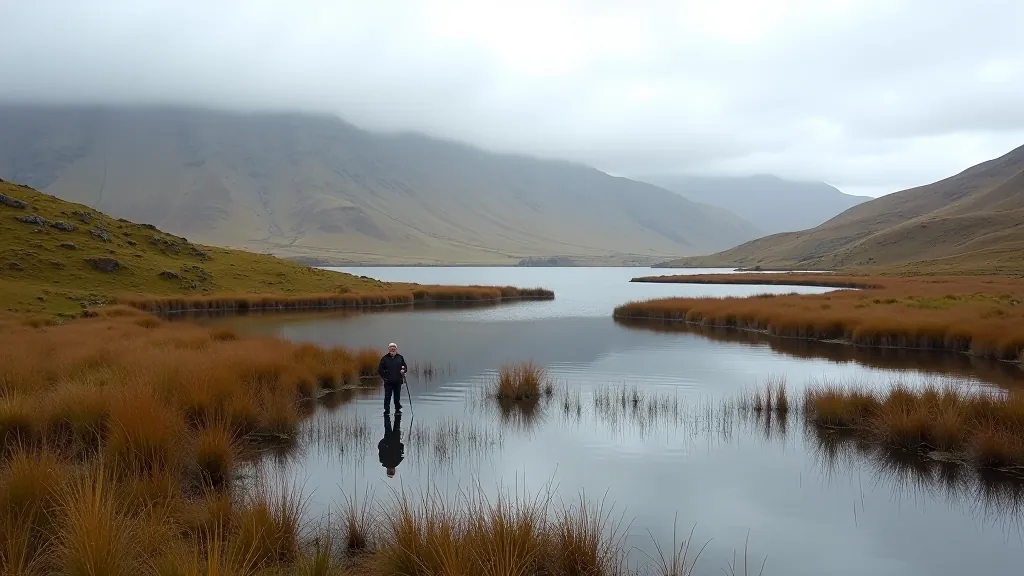
A quiet lake walk through bog and grassland — this one's genuinely flat. You're following the water's edge for most of it, watching for birds and taking in the wider landscape. It's about 4 kilometers and takes 90 minutes. The terrain is soft underfoot, which some people find easier on their joints.
Don't expect dramatic peaks here. Instead, you get open vistas, wildflowers in season, and the kind of peace that comes with having few other people around. It's the sort of walk where you notice small things — lichen on rocks, dragonflies, the way light hits water.
Best season: Spring and early summer when wildflowers are out. The bog turns purple with heather in late summer.
Challenge level: Very low. The only difficulty is boggy patches after rain — wear waterproof boots.
This is a proper forest walk with excellent signage. The path winds through mixed woodland, crosses a few streams via bridges, and feels genuinely wild without being technical. It's 2.8 kilometers taking about 100 minutes. The shade from the trees means you're cooler on hot days, and the soft forest floor is easier on feet and ankles than rocky terrain.
You don't get big panoramic views here, but you get atmosphere. The kind of place where you feel disconnected from roads and cars. Perfect if you want exercise without exposure to wind or intense sun.
What to bring: A light layer even in summer — it's cooler under the trees. Good footwear matters here because it can be muddy.
Parking: Garraun car park is clearly signposted from the main road.
Timing: Start before 3 p.m. if it's winter — forest gets dark early.
None of these walks is a race. If 90 minutes takes you two hours, that's fine. You'll see more and enjoy it more when you're not rushing. Build in stops for photos, snacks, or just sitting.
Connemara weather is unpredictable. Bring a waterproof layer and an extra jumper even when it looks fine. Wind can come up suddenly on exposed sections, so don't rely on the forecast alone.
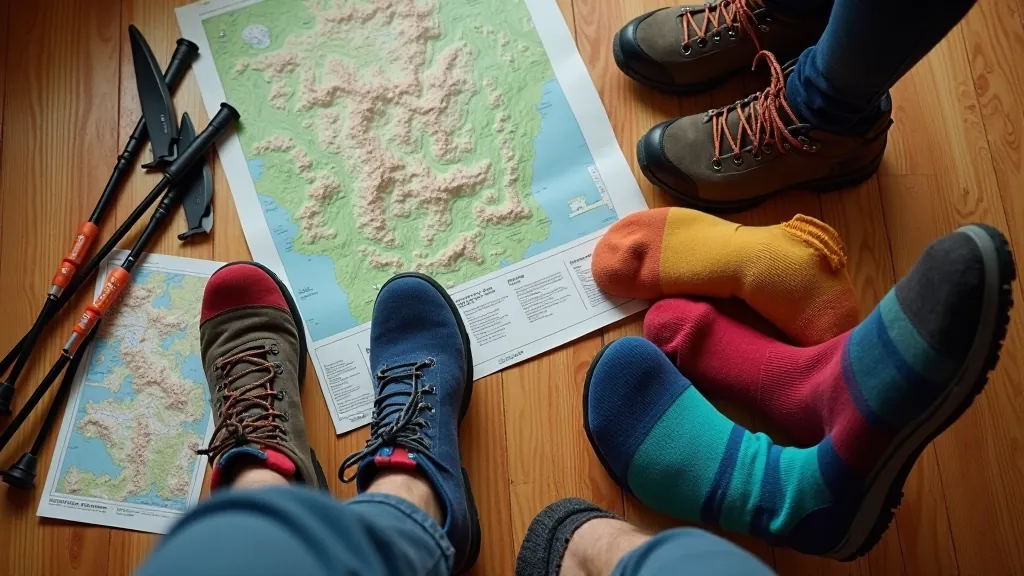
Forest walks need proper grip. Coastal walks benefit from waterproof boots. Bring gaiters if you're doing bog terrain — they keep grass and moisture out of your socks.
A litre bottle minimum. You don't see water sources on most of these trails, and staying hydrated keeps your energy up. A light snack — nuts, fruit, chocolate — helps too.
Leave a note of which walk you're doing and when you'll be back. Mobile signal is patchy in Connemara, so this basic precaution is sensible.
If you've done Diamond Hill this week, don't do another walk the next day. Your body needs recovery. These aren't urgent — they'll be there next week.
Diamond Hill is brilliant, but it's just the beginning. These five walks show that Connemara's appeal goes far beyond summiting anything. You get the same landscape, the same sense of being somewhere genuinely wild, but without the intense physical demand.
Pick the one that calls to you based on what you're in the mood for — coastline, forest, village, bog, or woodland. Do it at your own pace. Stop whenever you like. Take photos. Sit and watch the water or the trees. That's what these walks are really for.

This article provides educational information about hiking trails in Connemara. It's not a substitute for proper fitness assessment or medical advice. Before undertaking any hiking activity, especially if you have health conditions, joint issues, or haven't exercised regularly, consult with a healthcare professional or your GP. Weather in Connemara changes rapidly — check conditions before you go and don't rely solely on forecasts. Always tell someone where you're going and when you'll return. If you're unfamiliar with the area, consider hiring a local guide for your first walk.