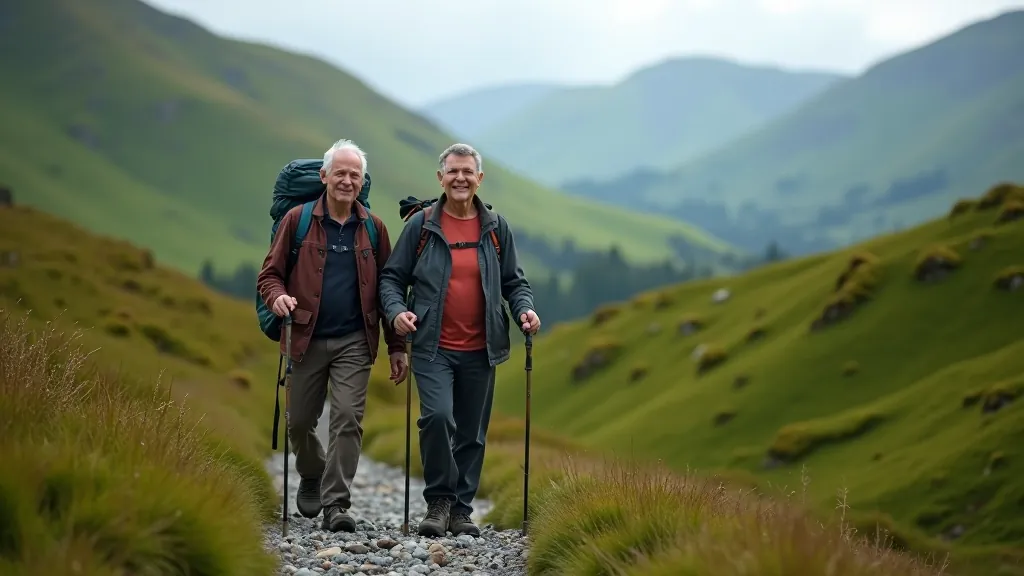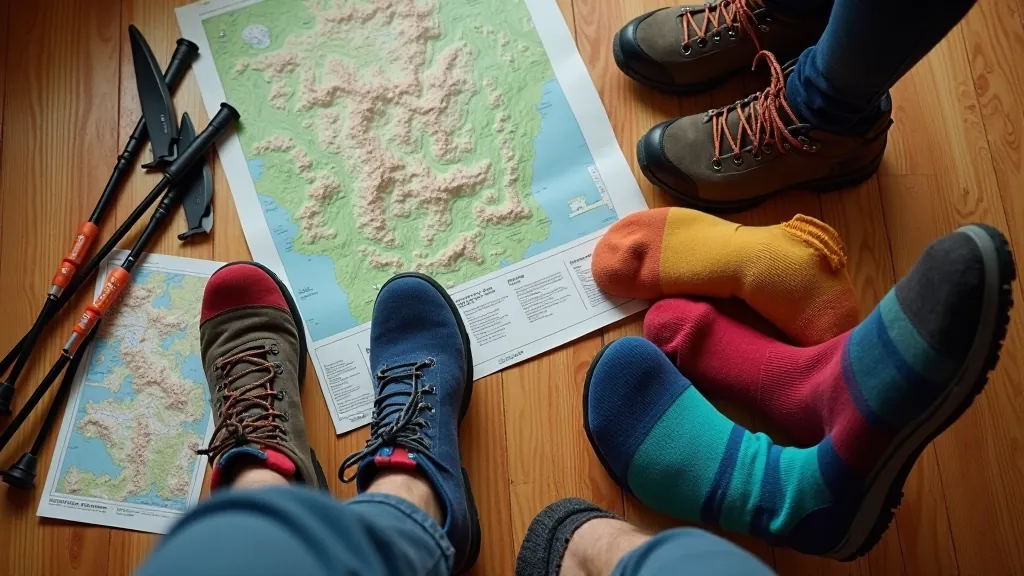
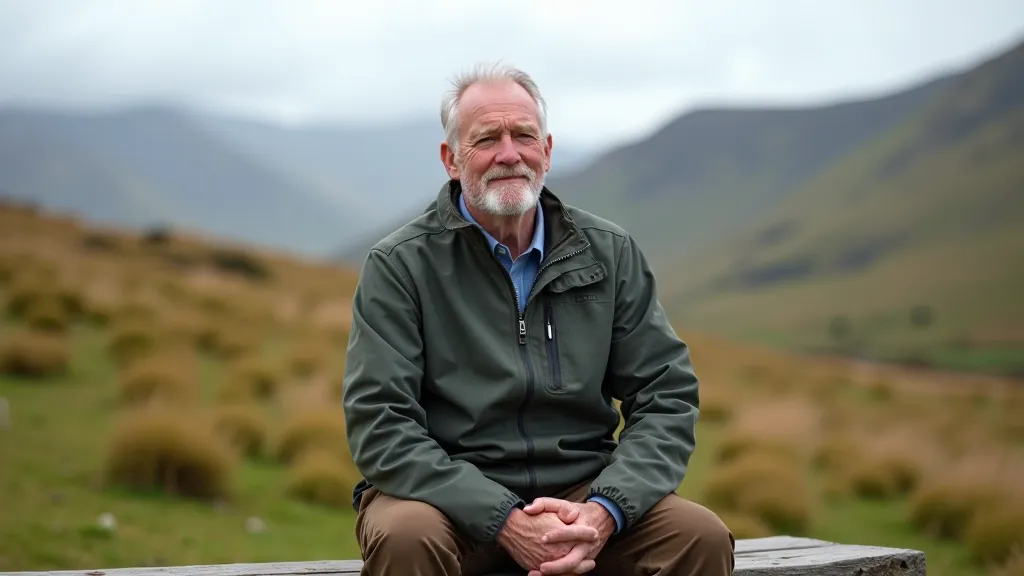
Most people think hiking is about keeping moving. Staying on pace, covering distance, pushing forward. But here's what we've learned from years of working with hikers: the breaks matter more than the miles.
Your body doesn't need constant motion to build fitness or enjoy the outdoors. It needs rhythm. It needs rest. And it needs you to recognize the difference between "I'm tired and should keep going" and "I'm tired and need to stop."
Reading Your Body's Signals
Your legs aren't the only thing telling you when to rest. Listen to your breathing first. If you can't speak in complete sentences, you've pushed the pace too hard. Slow down or take a break.
Watch your balance too. Feeling wobbly? That's not weakness — it's fatigue affecting your stabilizer muscles. A 10-minute sit-down resets everything. You'll feel sharper afterward.
Heart rate matters, but you don't need a monitor. Can you hold a conversation? That's the sweet spot. Can't speak? Too fast. Can sing? Too slow. We're aiming for the middle.
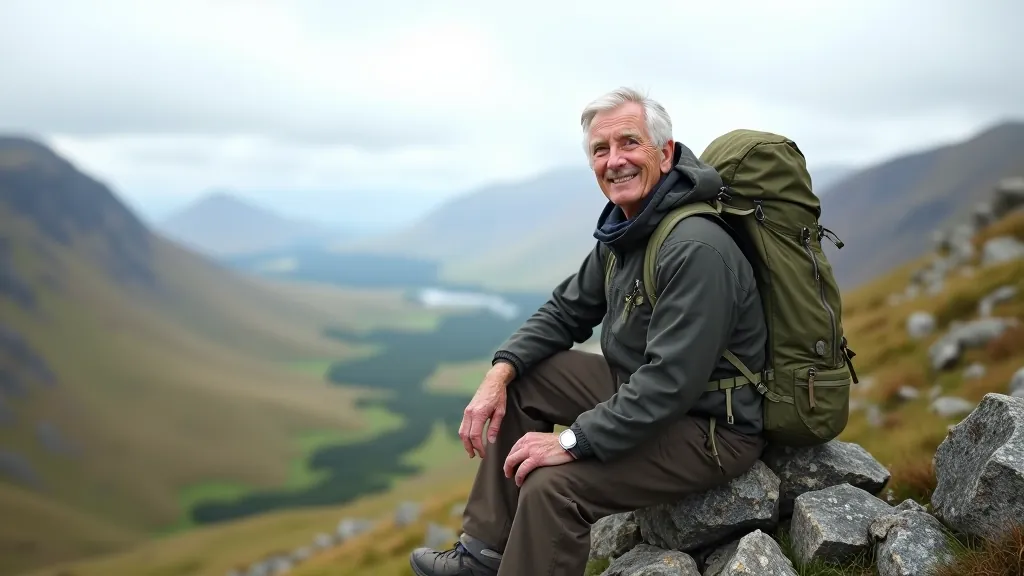
"The hikers who go the furthest aren't the ones who never rest. They're the ones who rest before they actually need to."
— Síle O'Flaherty, Senior Outdoor Recreation Specialist
The Science of Strategic Breaks
Breaks aren't lost time — they're when your body recovers. Your muscles need those minutes to flush out lactate buildup. Your cardiovascular system needs to stabilize. Your mind needs to reset.
Here's what actually works: every 20-30 minutes of hiking, take a 5-minute break. Not because you're exhausted, but because it prevents exhaustion. You'll hike the same distance but feel less drained at the end.
Longer breaks matter too. Around the 90-minute mark, sit for 15 minutes. Eat something. Drink water. Let your legs truly rest. This isn't laziness — it's smart strategy.
Practical Break Strategies
Find Your Rhythm
Don't wait until you're exhausted. Set a timer for 25-30 minutes of hiking, then take 5 minutes sitting. You'll develop a pattern that feels natural. Some hikers prefer 20 minutes on, 5 off. Others go 35 on, 10 off. Find what works for you.
Pick Good Rest Spots
Not all resting places are equal. A flat rock with a view beats sitting on your feet in the mud. Plan your route to include benches or natural seating areas. You'll actually use them if they're comfortable.
Use Breaks Actively
Don't just sit there. Eat a snack. Drink water. Stretch your calves and hip flexors for 2-3 minutes. Look at the view. These aren't wasted minutes — they're recovery minutes that let you keep going.
Know When to Stop Entirely
If you're dizzy, nauseous, or your legs feel like they're not listening, that's not a "push through it" moment. That's a "sit down for 20 minutes or turn back" moment. Your safety matters more than distance.
The Hidden Benefits of Slowing Down
Here's what happens when you pace yourself properly: you actually enjoy the hike more. You're not focused on breathing hard or pushing through fatigue. You notice the landscape. You can chat with whoever's hiking with you. You feel good at the end instead of wiped out.
Plus, you're more likely to come back next week. And the week after that. Regular hiking builds fitness faster than occasional hard efforts. Consistency beats intensity every time.
The Bigger Picture
Pacing yourself isn't about being slow. It's about being smart. It's about understanding that your body has limits and working with those limits instead of against them. The best hikers we know aren't the ones who sprint up mountains. They're the ones who take regular breaks, keep a sustainable pace, and actually make it to the top feeling okay.
Diamond Hill doesn't go anywhere. It'll be there whether you take it fast or slow. Take it slow, take your breaks, and you'll actually want to come back.
Disclaimer: This article is informational and educational. It's not a substitute for medical advice. If you have concerns about your physical fitness for hiking or experience chest pain, severe shortness of breath, or dizziness while hiking, consult a healthcare professional before continuing.