
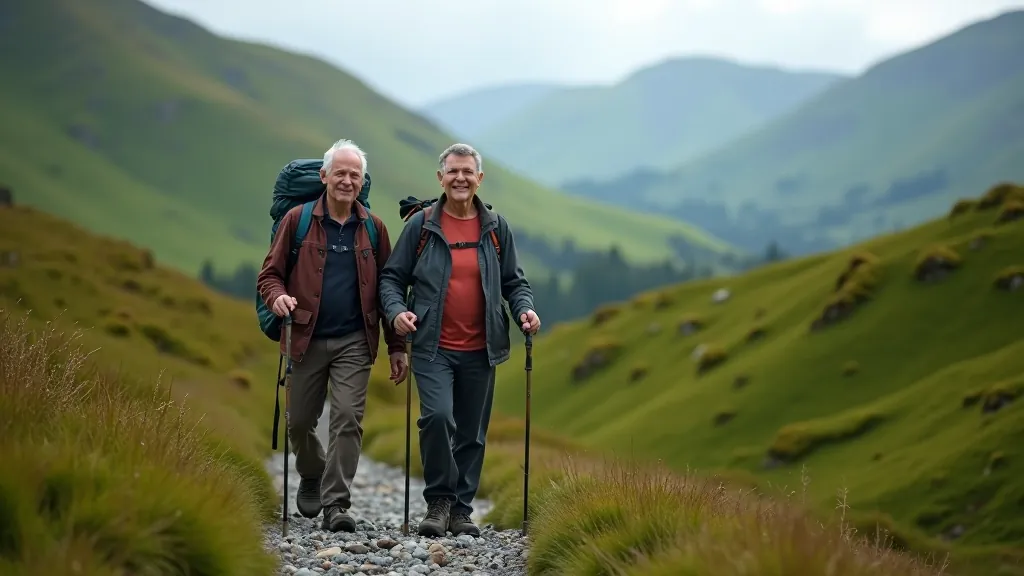
Diamond Hill: The Beginner's Route
Everything you need to know about the most accessible trail in Connemara. We cover the route, difficulty level, and what to expect.
A practical checklist for comfort and safety. From footwear to snacks — nothing gets left behind.
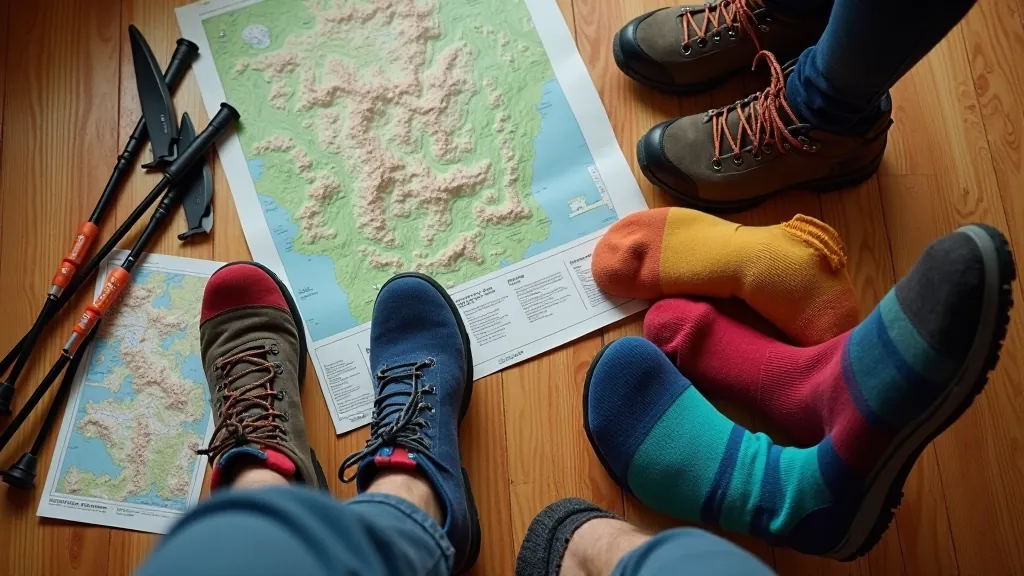
Getting ready for a day on the trail isn't complicated, but it does require thinking ahead. You'll want to bring enough to stay comfortable and safe, but not so much that your pack becomes a burden. The trick is knowing what actually matters and what you can leave at home.
We've put together this guide based on years of watching what works and what doesn't. You'll find that most hikers pack too much — or sometimes not enough. We'll help you find the balance that's right for you.
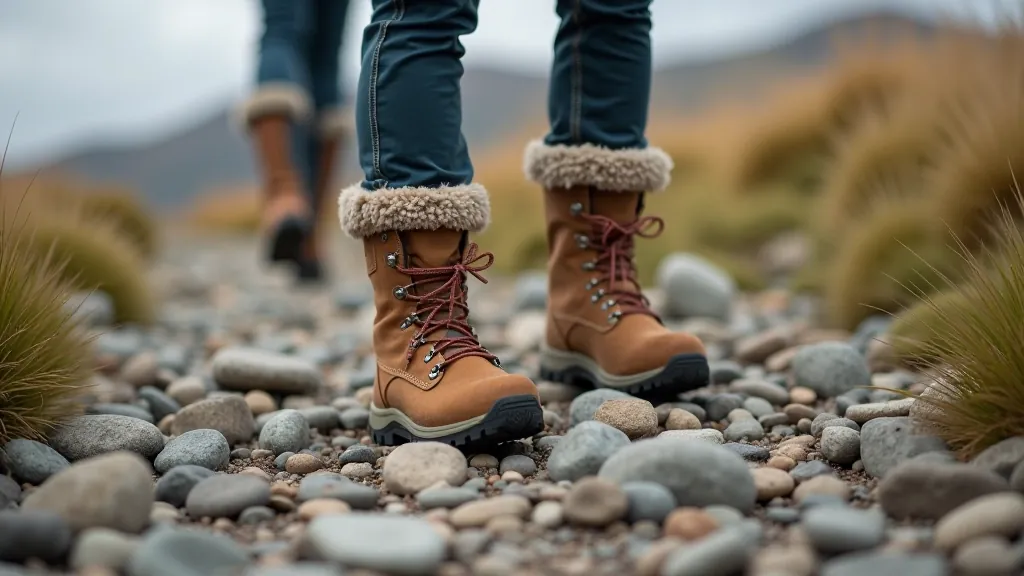
Your feet carry you the whole way. Good hiking boots or sturdy walking shoes make an enormous difference. You're not looking for brand-new shoes — break them in at home first. The last thing you need is blisters three kilometres in.
Layers matter more than you'd think. Irish weather changes fast, and being cold on a trail isn't fun. Start with a base layer that wicks moisture away from your skin — cotton gets soggy and stays that way. A fleece or lightweight jumper goes on top, and a waterproof jacket rounds it out. Three items, but they work together.
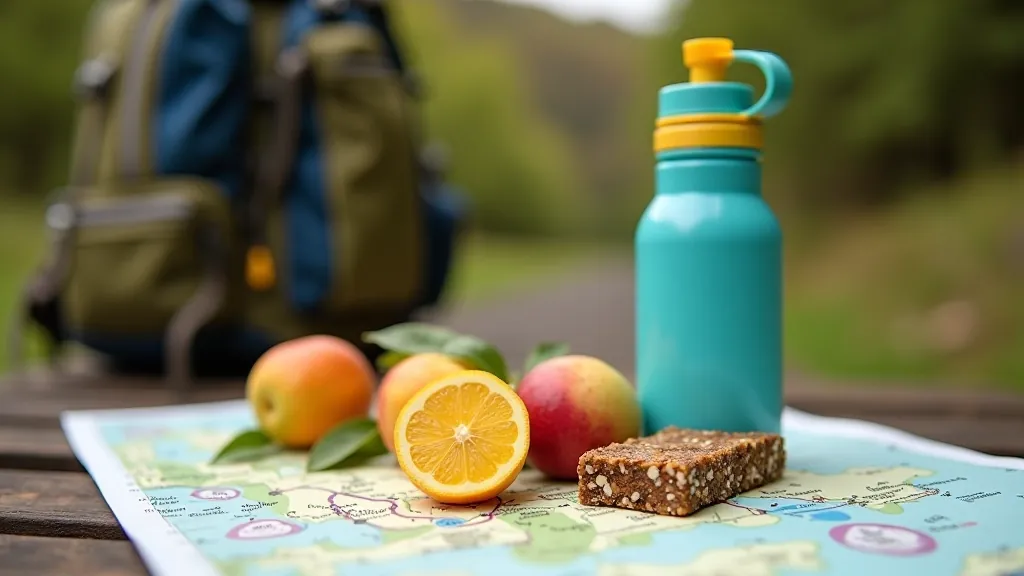
Don't skip water. You'll lose more fluids than you realize, even on a cool day. Bring at least 1.5 litres — more if you're going longer than two hours. A reusable bottle saves money and the environment, but make sure it's easy to access in your pack.
Snacks keep your energy stable. We're not talking about heavy meals — think nuts, dried fruit, energy bars, or a banana. Eat small amounts every hour or so rather than waiting until you're starving. Your legs will thank you.
Pro tip: Pack a lightweight lunch if you're going longer than 3 hours. A simple sandwich, cheese, and apple take minimal space but make a real difference in how you feel.
A basic first aid kit weighs almost nothing. Include plasters, antiseptic wipes, and a pain reliever. You don't need a full medical kit — just enough to handle minor issues. Most problems on the trail are small and fixable.
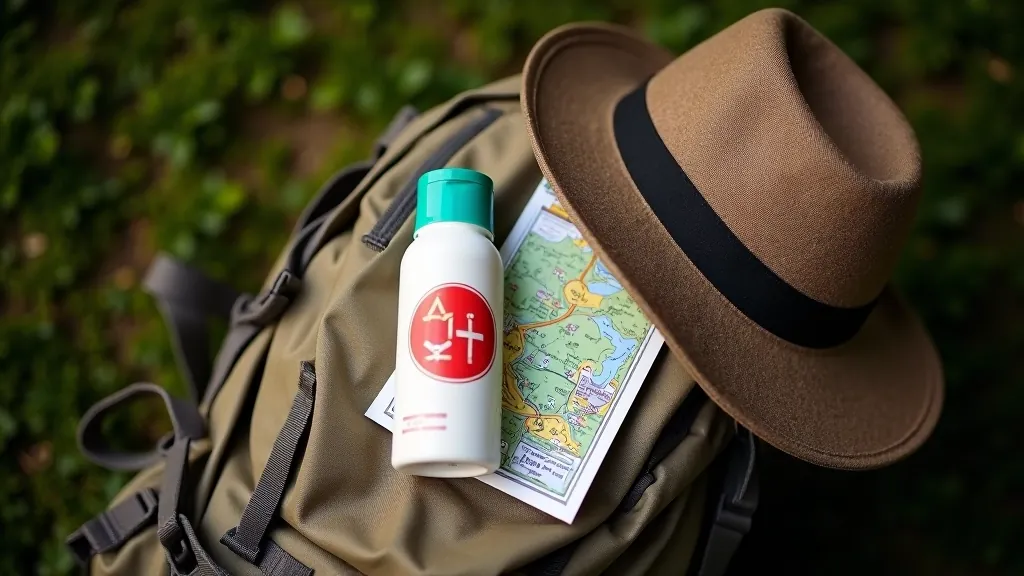
Sunscreen and insect repellent are easy to forget but genuinely useful. Even on an overcast Irish day, the sun reflects off rocks and water. A hat protects your head and face better than you'd expect.
Your mobile phone should be charged before you leave. Bring a lightweight powerbank if you're worried — they're affordable and weigh almost nothing. Tell someone where you're going and when you expect to be back.
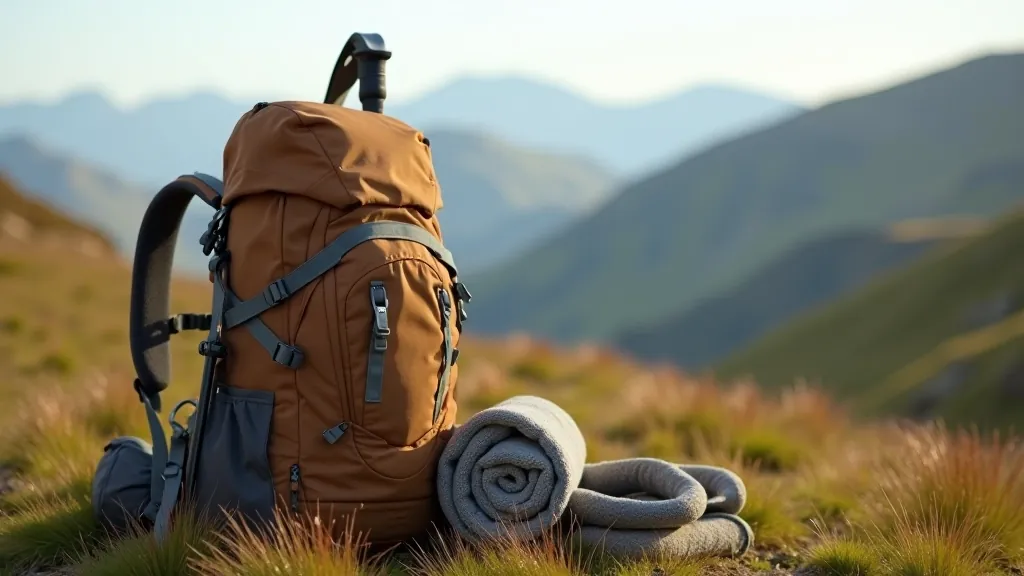
Trekking poles might seem optional, but they genuinely reduce strain on your knees, especially on downhill sections. They're lightweight, pack easily, and most people find they make the walk more enjoyable. Try them — you'll probably keep using them.
A small towel or microfibre cloth takes up almost no space but handles sweat, wet hands, or an unexpected sit-down on damp grass. Blister prevention matters too — moleskin tape stops a problem before it starts.
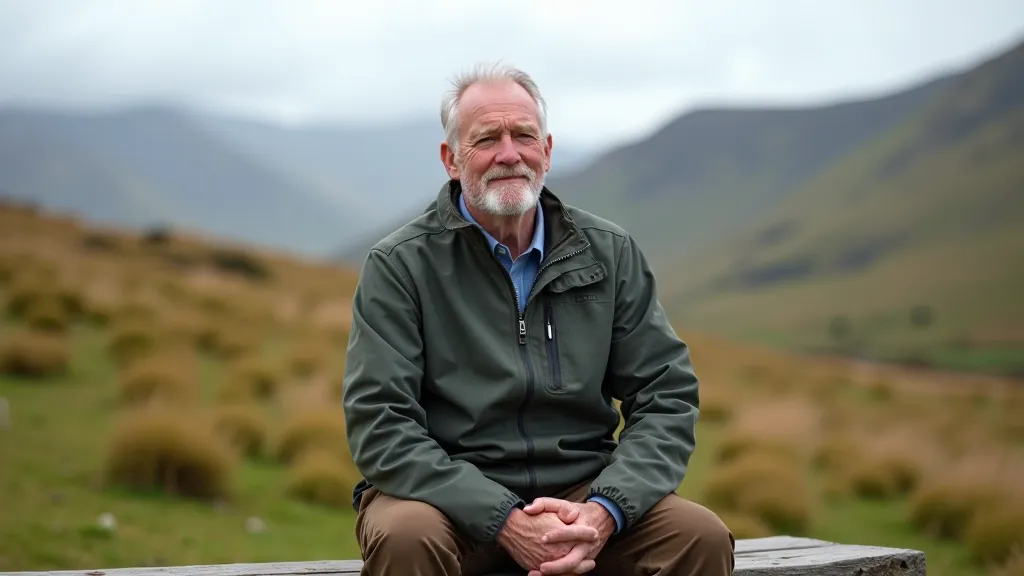
"I always pack a bit more than I think I'll need. Better to have it and not use it than need it and not have it."
— Margaret, 68
Keep your pack balanced. Heavy items sit close to your back and centred. Water goes on the outside where you can reach it. Don't let one side get heavier than the other.
A 15-20 litre pack is plenty for a day walk. Anything bigger tempts you to overstuff. You'll find you don't need nearly as much as you think once you're on the trail.
Pack things you'll use frequently where you can reach them easily — water bottle, snacks, sunscreen. Leave heavier items at the bottom. You don't want to empty your entire pack for a drink.
Do a short walk with your full pack before committing to a longer trail. You'll discover what works and what doesn't. It's much better to figure this out nearby than on Diamond Hill.
You don't need expensive gear or a fancy setup. Most hikers discover that a simple approach works best — good shoes, layers, water, snacks, and basic safety items. Everything else is bonus. Start with this list, take notes on what you actually use, and adjust for your next walk.
The best pack is the one that gets you on the trail comfortably and keeps you safe. It's that straightforward. Pack light, stay comfortable, and enjoy the walk — that's the formula that works.

This article provides general information about hiking preparation and packing recommendations. It's educational in nature and intended to help you understand what many hikers find useful. Individual circumstances vary, and what works for one person may differ for another. If you have specific health concerns, physical limitations, or questions about your fitness for hiking, consult with a healthcare professional or qualified outdoor guide before undertaking any trail activity. Weather conditions, trail difficulty, and personal fitness levels all affect what you should bring and how you should prepare. Always prioritize safety and make decisions based on your own situation.